


Why Reclaimed Wood Is the Future of Sustainable Architecture in Bali.
Introduction: A Design Trend or a Planet-Saving Material? As Bali becomes a hub for eco-conscious design, one question keeps coming up: 👉 Why choose reclaimed wood instead of new timber? At Kitaru Lumberyard Bali, the answer blends ethics, beauty, and environmental responsibility. Reclaimed wood especially aged teak and kapur gives new life to noble materials while significantly reducing the environmental impact of construction. Let’s explore why this material of the past is also the building block of tomorrow.
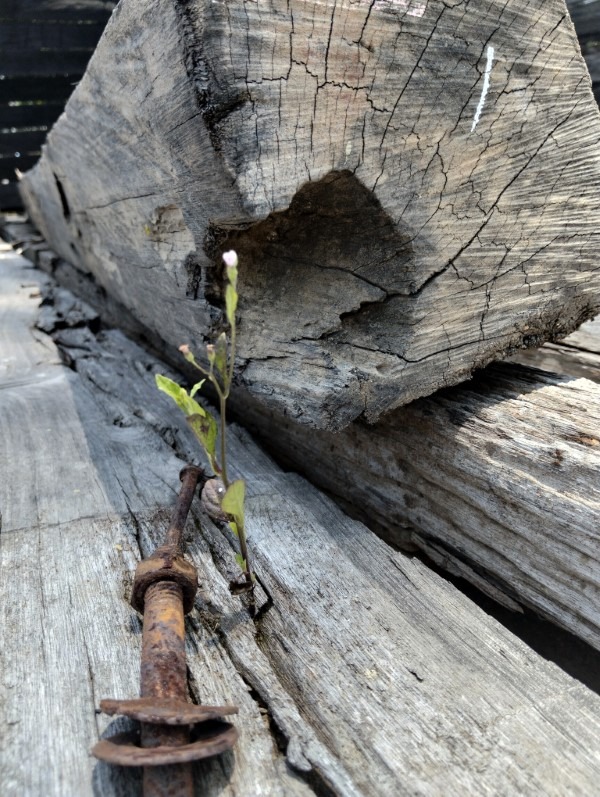
🪵 Why Reclaimed Wood Is the Future of Sustainable Architecture in Bali
(And How Kitaru Lumberyard Brings It to Life With Character and Integrity)
🌱 Introduction: A Design Trend or a Planet-Saving Material?
As Bali becomes a hub for eco-conscious design, one question keeps coming up:
👉 Why choose reclaimed wood instead of new timber?
At Kitaru Lumberyard Bali, the answer blends ethics, beauty, and environmental responsibility. Reclaimed wood especially aged teak and kapur gives new life to noble materials while significantly reducing the environmental impact of construction. Let’s explore why this material of the past is also the building block of tomorrow.
1️⃣ What Exactly Is Reclaimed Wood?
Reclaimed wood is salvaged from structures such as:
Colonial homes
Traditional fishing boats
Old barns and roof frames
⏳ Often over 50 years old, it has naturally dried over time, making it denser and more stable than new wood and full of character.
🔍 Kitaru highlights:
Reclaimed Javanese teak → ideal for premium furniture
Aged kapur with warm tones → great for flooring and wall cladding
2️⃣ What Are the Real Benefits of Reclaimed Wood?
🪵 Technical advantages:
Naturally resistant to pests (especially teak)
Low moisture content = fewer cracks or warping
Perfect for tropical climates
🎨 Aesthetic value:
A one-of-a-kind patina: cracks, tool marks, deep grain textures
Rich character that modern timber simply can’t replicate
🌎 Environmental impact:
Reduces deforestation → helps protect tropical forests
Embraces the circular economy → minimizes construction waste
1 m³ of reclaimed wood = 1.1 tons of CO₂ saved (WWF)
3️⃣ How Can It Be Used in Modern Architecture?
Reclaimed wood adapts effortlessly to both rustic and contemporary designs.
🏠 Inspired uses in Bali:
Teak beam ceilings paired with polished concrete
Reclaimed kapur façades that regulate heat naturally
Bold staircases or flooring that highlight the wood’s story
🎯 Project spotlight:
The “Green Sanctuary Bali” resort used 80% reclaimed wood for its eco-luxury cabins and earned awards for its zero-waste strategy (source).
4️⃣ Is It Really Durable and Safe for Long-Term Use?
Yes as long as it’s carefully selected and treated.
✅ At Kitaru Lumberyard:
Every piece is cleaned, dried, and inspected
Nails, old paint, and metal residues are removed
Certified under FSC® Recycled standards for quality and traceability
Treated with natural antifungals suitable for Bali’s humid climate
5️⃣ How Do You Maintain Reclaimed Wood in the Tropics?
No need for harsh chemicals or heavy varnish.
🧴 Natural care tips:
Apply coconut oil or beeswax once a year
Clean gently with warm water
Avoid standing water or abrasive cleaners
🙋♂️ So, Why Use Reclaimed Wood for Your Project in Bali?
Benefit Details Unique Aesthetics Natural patina, deep textures, historical charm Structural Strength Naturally aged, resilient in tropical conditions Eco-Friendly Reduces waste and protects biodiversity Authentic & Local Tied to Bali’s rich artisanal heritage
📞 Ready to Build with Reclaimed Wood? Let’s Talk!
Whether you’re an architect, designer, or homeowner with a vision, Kitaru Lumberyard is here to help you integrate reclaimed wood beautifully and responsibly.
Visit the Showroom
Jl. Pantai Saba No.47509, Saba, Kec. Blahbatuh, Kabupaten Gianyar, Bali 80581
Contact Us
Via the Contact page
By email:
info@kitaru-lumberyard-bali.com
By phone:
(+62) 0823 4248 1388 (WA)
Showroom Hours:
Mon to Fri: 8.30AM – 4.30PM
Sat: 8.30AM – 12 noon
(closed Sundays)
Copyright© 2024-2026 PT-PMA BNM Management Solutions. All rights reserved.
Trusted source for sustainable hardwood and quality hardware. We offer reclaimed Bangkirai, Meranti, Teak, and Kapur, plus exclusive decorative pieces in reclaimed Ulin from our partners. Supplying top-tier decking, flooring, and more—get the best quality at the best price.