
Coastal Decking in Bali: Why Timber, Fixings and Structure Must Work Together
A timber deck near the coast has to deal with a demanding environment. Sea air, humidity, rain and regular wetting can affect both the wood and the metal components used to hold the structure together. The visible boards may attract most of the attention, but the fixings and supporting structure are just as important.
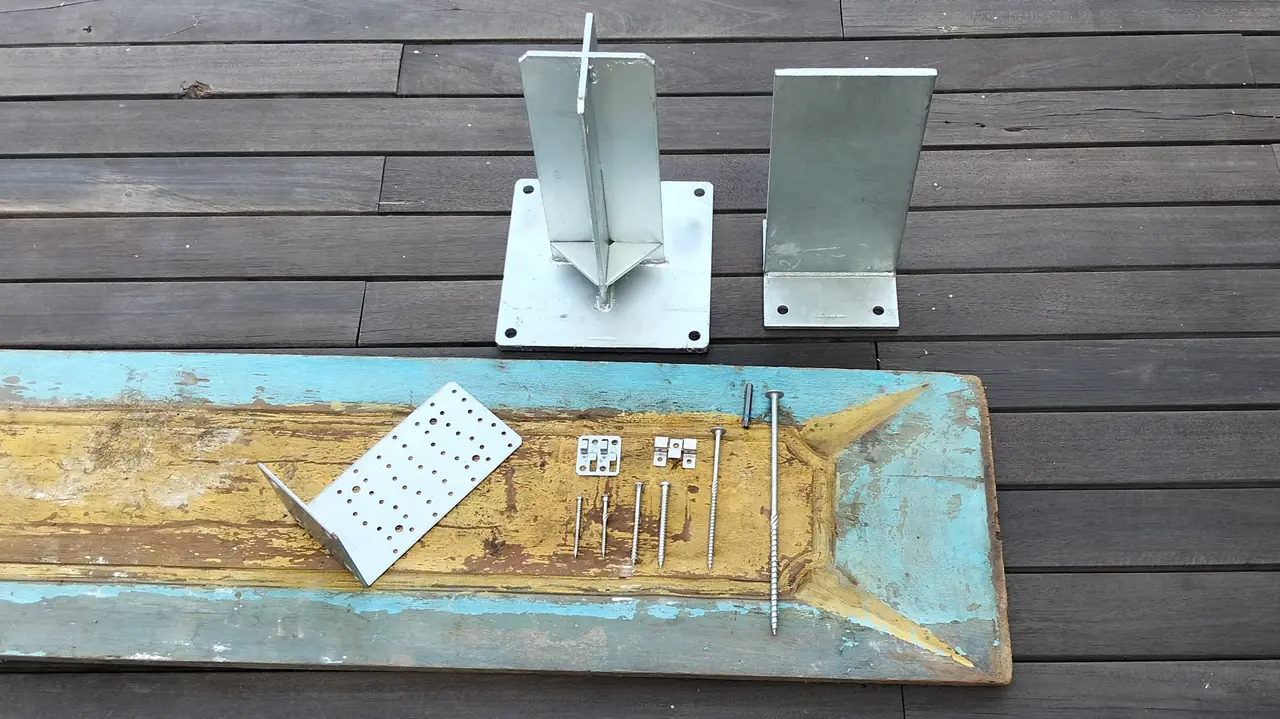
A timber deck near the coast has to deal with a demanding environment. Sea air, humidity, rain and regular wetting can affect both the wood and the metal components used to hold the structure together. The visible boards may attract most of the attention, but the fixings and supporting structure are just as important.
For a coastal project in Bali, it is therefore not enough to select a hardwood and assume the rest will take care of itself. The timber, connectors, supports, drainage and installation need to be considered as one system.
Coastal exposure is not the same everywhere
A beachfront terrace exposed directly to sea spray is different from a sheltered deck further inland. Even within one property, one side of a building may receive more wind, rain and salt exposure than another.
The project team should assess the actual site conditions before choosing materials. Distance from the sea alone does not describe every exposure. Orientation, shelter, landscaping, roof cover and the way water moves across the deck all influence the conditions.
This is why a generic specification should not be copied from another project without review. The architect, engineer or installer responsible for the deck should confirm the materials and construction details for the site.
The timber is only one part of the deck
Kitaru can discuss hardwood options such as Teak, Ulin, Bangkirai and other available species. Reclaimed timber may be attractive where the design calls for natural variation and character. New timber may be considered where the project needs different dimensions or a more regular appearance.
The right choice depends on the intended application, the required finished profile and current stock. A timber's reputation does not remove the need to check the actual material and its suitability for the project.
The boards also need to work with the structure below them. Joists, bearers, posts and supports carry the loads and provide the fixing points. Their material, dimensions and condition matter even though they may not be visible after installation.
Why metal components deserve attention
Coastal moisture and salt can contribute to corrosion in metal components. The risk depends on the metal, the product specification, the exposure and the way different components are connected.
Screws are not the only components to consider. Brackets, washers, connectors, post bases and other fittings are part of the same assembly. A deck can have attractive timber boards but still be compromised if a critical connection is not appropriate for the environment.
It would be misleading to prescribe one fastener grade for every coastal project. The responsible designer or installer should select compatible products based on the actual exposure, manufacturer's information and applicable project requirements. Components used together should be checked for compatibility by the professional responsible for the deck.
Drainage, ventilation and access
Water management is an important part of exterior timber construction. The deck design should avoid unnecessary areas where water and debris remain trapped. The supporting system should be considered in relation to ventilation and access for inspection and maintenance.
These are not details that can be safely determined from a photograph. They depend on the deck height, substrate, structure, board profile, site levels and the design of adjacent surfaces. The installer should confirm how the system will drain and how hidden components can be inspected.
Maintenance access is worth considering at the design stage. If a connection or board cannot be reached later, a small issue may become more difficult to address.
Selecting a timber finish
Some owners prefer the original appearance of freshly prepared timber. Others prefer the gradual change that occurs outdoors. A suitable oil or coating may influence colour and surface feel and can help limit absorption of some substances. No finish should be described as eliminating all stains, weathering or maintenance.
The right product depends on the species, surface preparation, exposure and expected use. The finish manufacturer and the professional responsible for the work should confirm compatibility and maintenance requirements.
A realistic maintenance plan is more useful than a promise that a coastal deck will remain unchanged. Owners should understand that natural timber responds to its environment.
What to discuss before ordering
For the first conversation with Kitaru, share the project location, photos, drawings, intended use and any preferred timber species. If the deck is close to the sea or exposed to salt spray, mention that clearly.
The design team should establish the final dimensions, profiles, quantities and supporting-system requirements. For a precise timber quotation and order preparation, Kitaru normally works from a cutting list prepared and checked by the architect or installation professional.
The cutting list should identify the timber required. The architect or installer remains responsible for the project's exact quantities and construction specification. Kitaru prepares and supplies the wood to the dimensions and profiles provided.
FAQ
Does choosing Ulin remove the risk of problems on a coastal deck?
No. The complete structure, fixings, drainage and installation remain important, whatever timber is selected.
Are stainless fixings always the correct answer?
The appropriate product depends on the exposure and the complete assembly. The responsible professional should specify compatible fixings using product data and site conditions.
Can Kitaru specify the deck structure?
Kitaru can discuss timber options and profiles. Structural design, fixings and installation details should be confirmed by the architect, engineer or installer.
What should I send for an initial quotation discussion?
Photos, plans, the project location and the intended application are useful. A checked cutting list is normally needed for a precise quotation and order preparation.
Discuss your coastal deck with Kitaru
Working on a deck near the coast? Contact Kitaru to discuss suitable timber and hardware options for your project. Share the site location, plans or photos so we can understand the conditions and the materials you are considering. For a precise timber quotation and order preparation, please provide the cutting list prepared by your architect or installer.
Request current stock
Tell us the species, dimensions and quantity. We reply with what is available now.
Send your drawings
Architects, designers and contractors: share plans and quantities and we will come back with a tailored proposal.
Visit by appointment
We are open Monday to Friday 8:30–16:30 and Saturday 8:30–12:00 (closed Sundays). Visits to the lumberyard and showroom are by appointment only.